



Sale!
Save ₹260
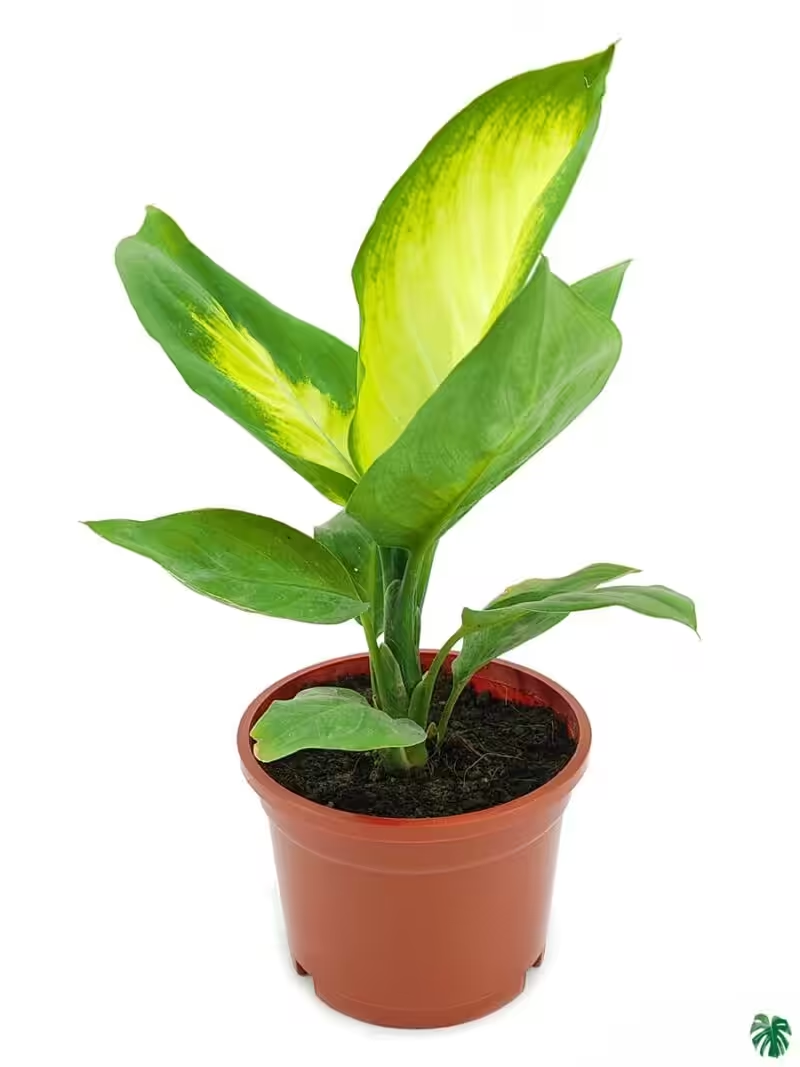
Dieffenbachia Camille
Original price was: ₹754.₹494Current price is: ₹494.
PAN India Delivery
Dispatched Fresh & Fast
Arrives Healthy
In stock
Less than 13 items left!
What's Included
- Healthy plant (pot optional)
◦ Size: 8″ – 12″ tall (including pot) - Plant ships in a temporary pot or nursery bag
◦ Size: 11 cm (varies)
Product Details
- Known As: Dieffenbachia ‘Camille’, Dumb Cane, Dieffenbachia ‘Carina’, Dieffenbachia ‘Honeydew’
- Growing Difficulty: Easy
- Light: Partial / Bright indirect light
- Water: Moderate
- Air Purifying: Yes!
Shipping & Delivery
Plants are shipped within 3 business days in their vegetative stage. It takes 1 to 7 days to deliver, depending on the location. Learn More
Replacement
We replace plants only if they arrive dead. If your plant dies in transit, just send us an unboxing video and photos — we'll send a free replacement right away. Learn More
Note
Plants are unique! The images are meant to give you an idea of the specification and quality of the plant you will receive, but will not be an exact replica — blooming depends on season and care.
Why you'll love this
One of the most popular houseplants, Dieffenbachia ‘Camille’, Dumb Cane, has ivory-yellow leaves edged in rich, dark green.


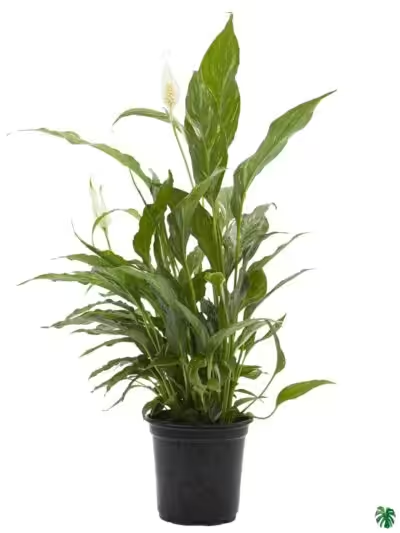

Dieffenbachia camille
Dieffenbachia ‘Camille’, Dumb Cane, grows broad leaves with a lime-colored center and dark green edges. It is wonderful and a popular houseplant. This dumb cane variety thrives in full to partial shade in well-drained soil. Keep the plant well watered and allow it to dry between the watering schedules.
This versatile indoor plant is perfect for a coffee table or desk. It’s full and vibrant with attractive speckled leaves, sure to delight anyone. The more light it gets, the more markings you will get on new leaves, but keep it out of direct sunlight.
Dumb cane
The dieffenbachia is a very beautiful and rewarding houseplant, sought after for its beautiful leaf drawing. Dieffenbachia is a genus of tropical flowering plants in the family Araceae. It is native to the New World Tropics from Mexico and the West Indies south to Argentina. Some species are widely cultivated as ornamental plants, especially as houseplants, and have become naturalized on a few tropical islands.