
Exotic



Sale!
Save ₹260
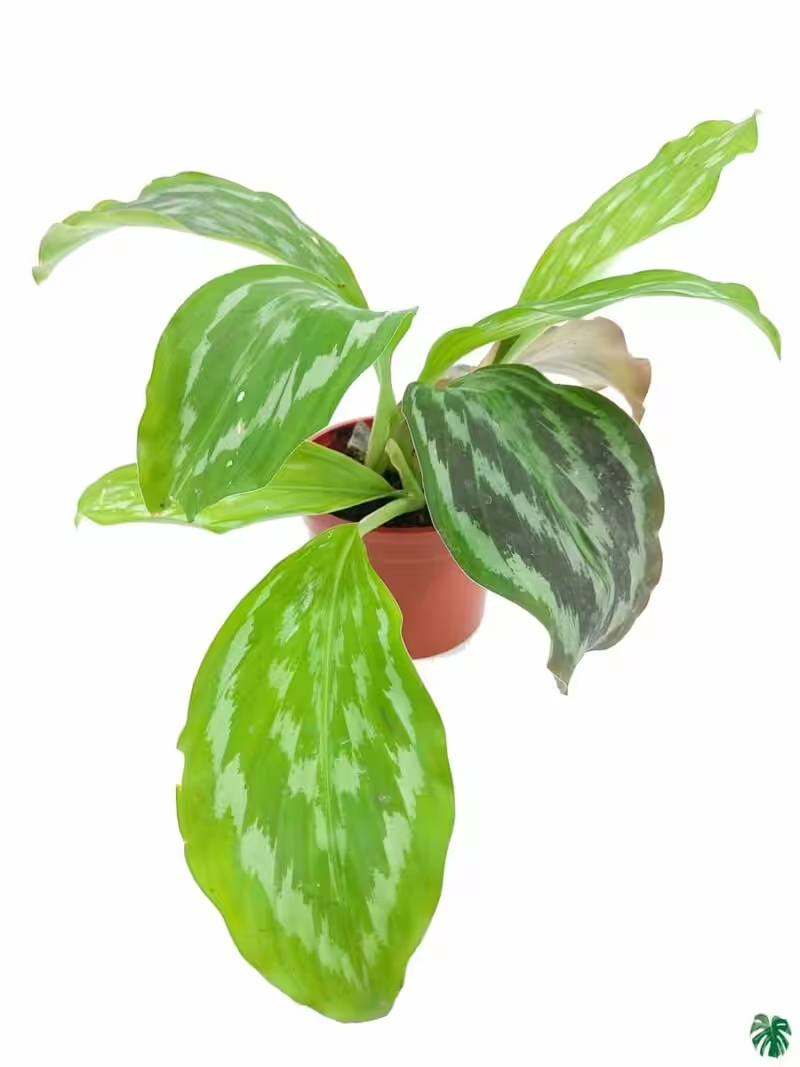
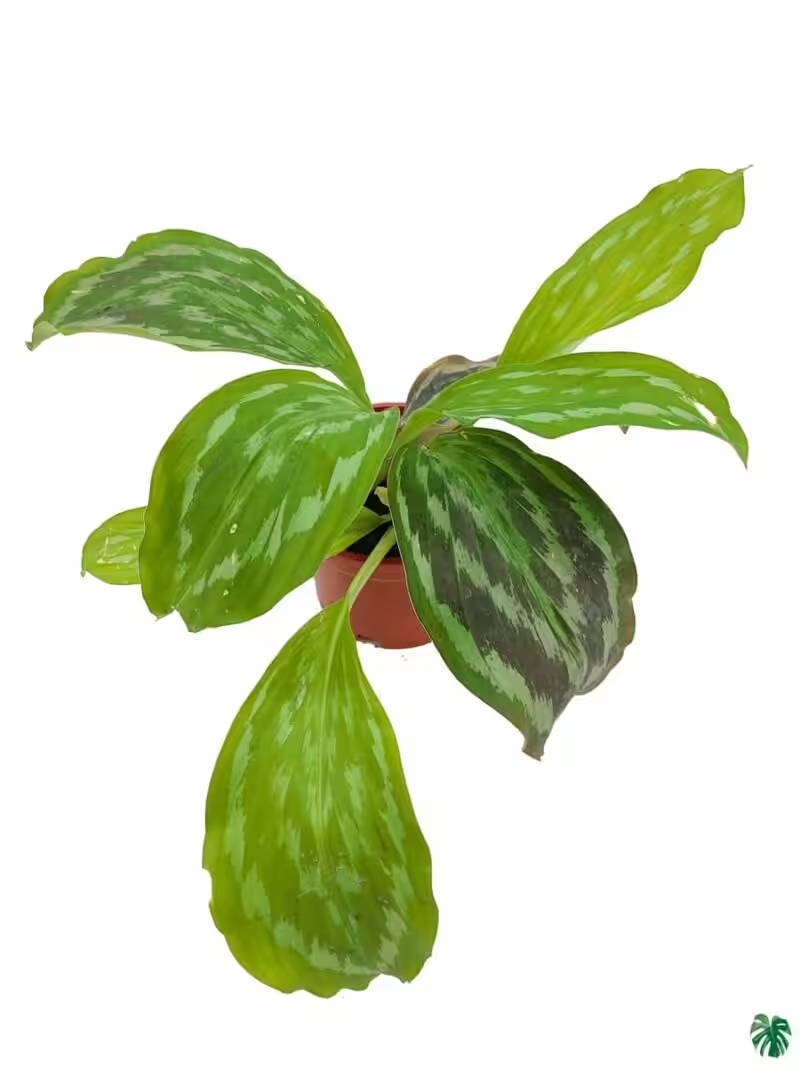
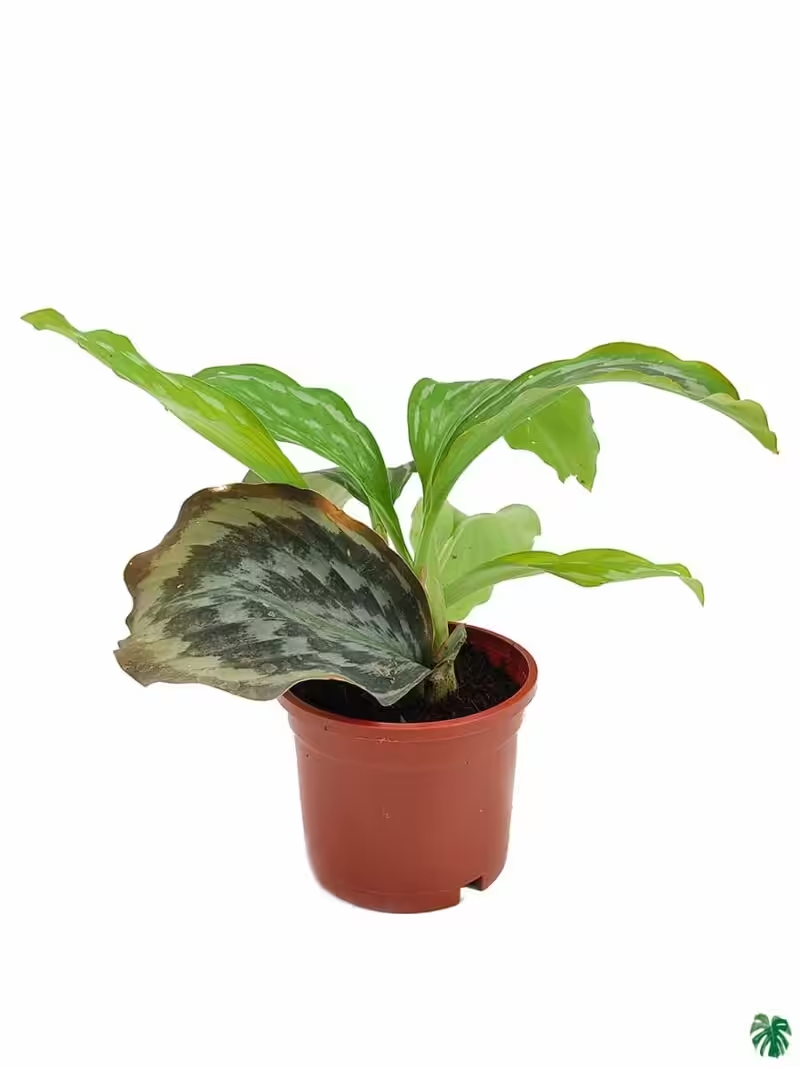
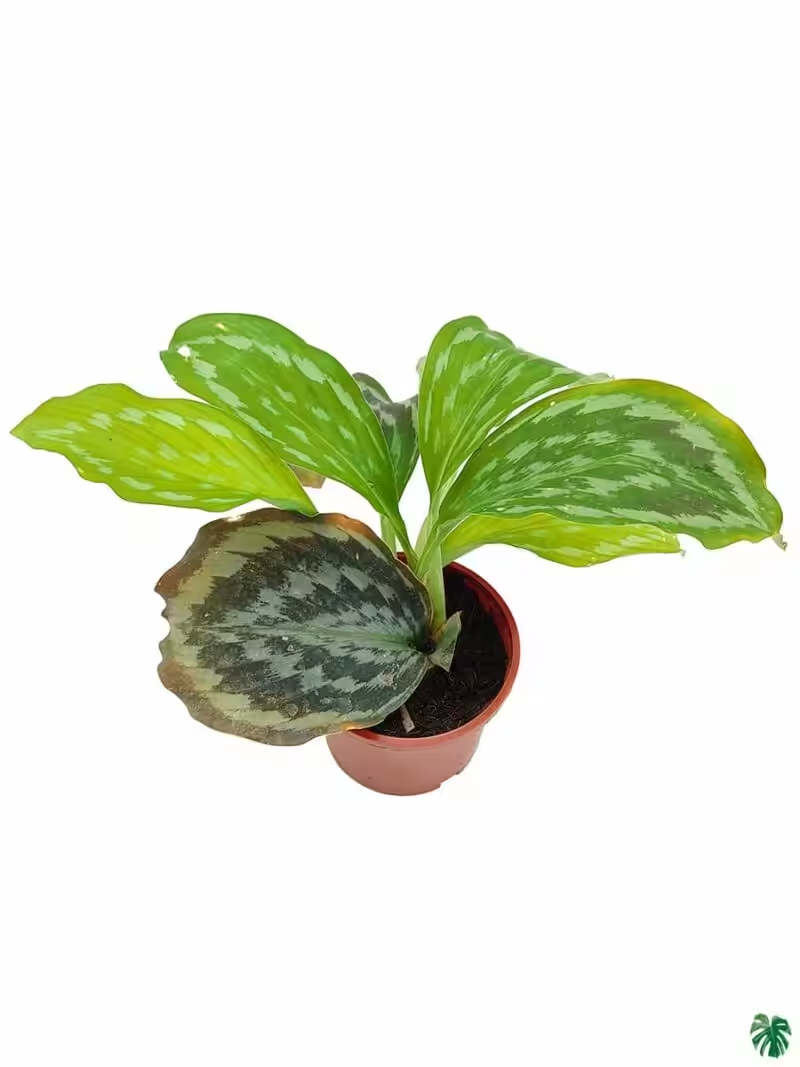
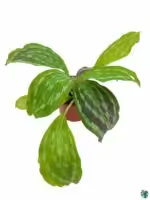
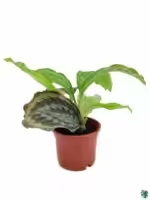
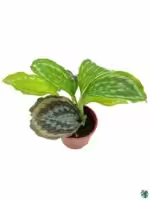
Peacock Ginger Plant – Kaempferia
Original price was: ₹741.₹481Current price is: ₹481.
PAN India Delivery
Dispatched Fresh & Fast
Arrives Healthy
In stock
Only 4 items left in stock!
What's Included
- Healthy plant (pot optional)
◦ Size: 6″ – 8″ tall (including pot) - Plant ships in a temporary pot or nursery bag
◦ Size: 11 cm (varies)
Product Details
- Known As: Peacock Ginger Plant, Kaempferia Rotunda, Kaempferia Pulchra, Kaempferia Laotica, Kaempferia Elegans, Variegated Ginger Lily, Indian Crocus, Round-Rooted Galangal
- Growing Difficulty: Easy
- Light: Partial / Indirect light
- Water: Plenty
- Air Purifying: No
Shipping & Delivery
Plants are shipped within 3 business days in their vegetative stage. It takes 1 to 7 days to deliver, depending on the location. Learn More
Replacement
We replace plants only if they arrive dead. If your plant dies in transit, just send us an unboxing video and photos — we'll send a free replacement right away. Learn More
Note
Plants are unique! The images are meant to give you an idea of the specification and quality of the plant you will receive, but will not be an exact replica — blooming depends on season and care.
Why you'll love this
The Peacock Ginger Plant, originally Kaempferia, is grown for dramatic foliage and lily-like flowers that emerge with sweet fragrance during fall and summer. It’s a ground-cover plant and is perfect for shady spots.

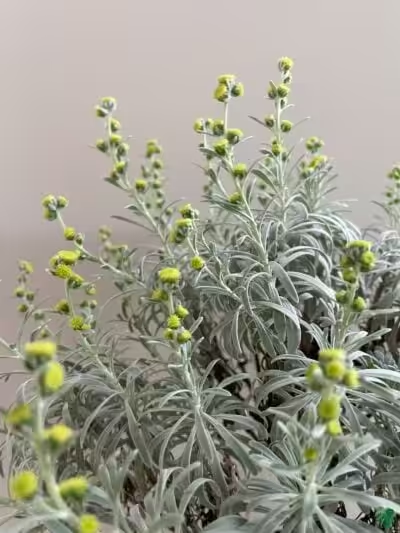


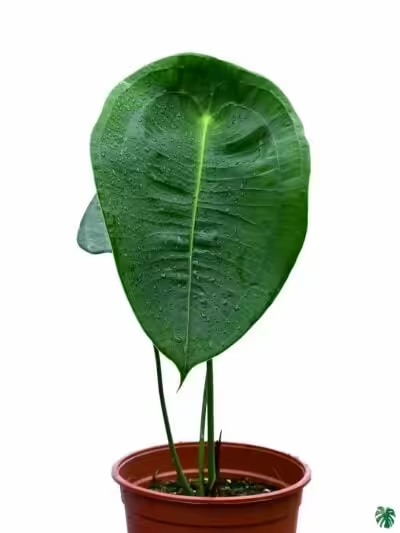
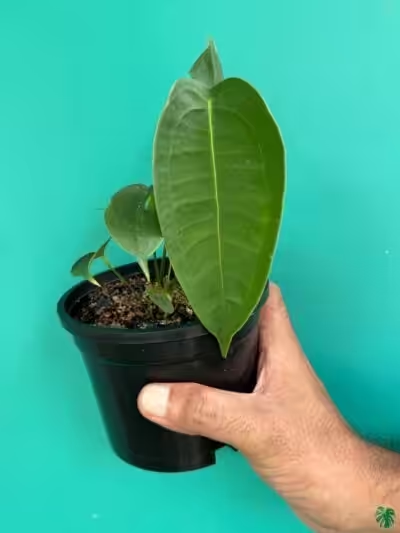
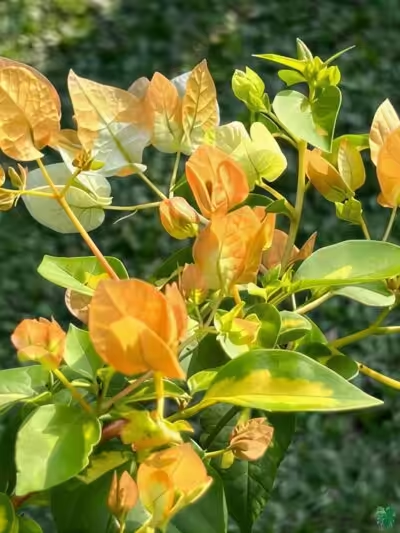
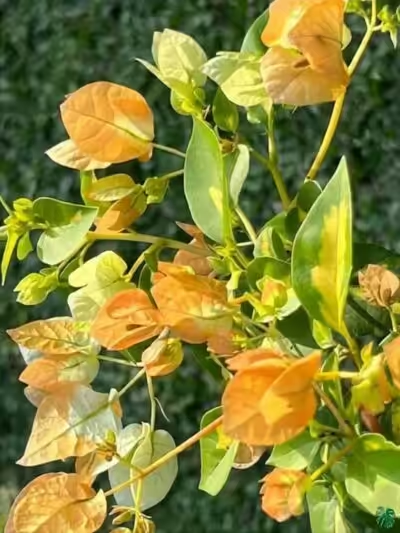
Peacock ginger plant – kaempferia
The round or oval leaves of Peacock Ginger can be 4 to 10 inches long and typically feature a green background overlaid with bold markings in bronze, purple, or silver, though some varieties also have solid green leaves. Their broad leaves and low growth habit allow peacock gingers to serve as a lovely stand-in for hostas, a favorite of gardeners.
These species produce bright, fragrant flowers. The tubers have a not-so-pleasant spicy flavor and have similar uses like ginger. They produce fragrant little flowers with pink or white petals. The delicate flowers appear during the summer while the foliage grows after the bloom. When the flowers wither at the end of the season, the leaves hold on for a bit longer before the plant goes dormant for the winter.
Native to India, China, and Southeast Asia, it is part of the ginger family Zingiberaceae and includes over 100 species. The genus received its name from Engelbert Kaempfer, a German botanist.
Most varieties don’t grow very tall. This species produces leaves, reaching about 10” – 18” inches long. The leaves appear after the flowers. They produces short, hollow stems and rhizome roots. It is a demanding plant, but the other species are even more difficult to cultivate outside of the natural habitat. Mature plants may only produce three to four leaves. The upper surfaces of the leaves feature white markings while the undersides are purplish.
Customer reviews
Customer reviews
Peacock Ginger Plant - Kaempferia
Mon Dec 06 2021 09:52:20 GMT+0000 (Coordinated Universal Time)